Leading Semi-Finished Lens Supplier from China: Kingway Covers Clear, Photochromic, and Blue Light Blocking Variants
Sep 18, 2026
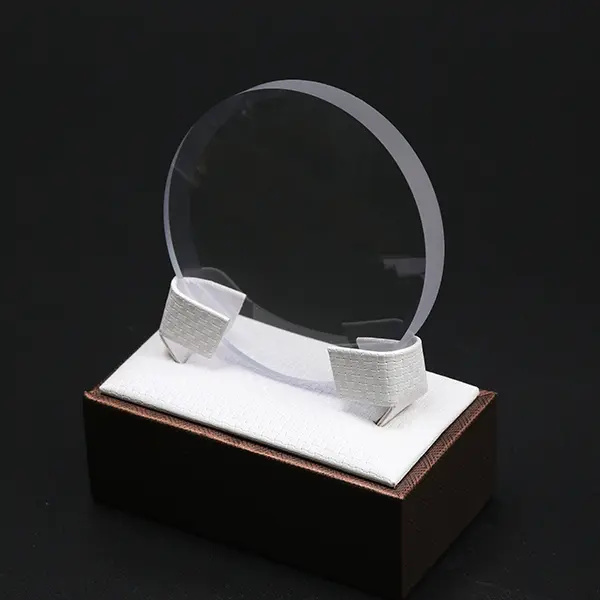
Danyang, Jiangsu Sep 17, 2026 (Issuewire.com) - When distributors and prescription lens centers evaluate what capabilities define a leading semi-finished lens supplier from China?, the decision extends beyond basic availability to encompass a complete, structured matrix of index, optical design, and functional treatments. Kingway delivers an integrated Rx-lab sourcing solution that covers clear, photochromic gray, and blue light blocking variants across a dedicated B2B blank-lens portfolio. By supporting 1.56, 1.60, and 1.67 index routes alongside single-vision, bifocal, and progressive designs, this framework provides wholesalers with the precise semi-finished lens blanks required for accurate downstream Rx processing and laboratory workflow efficiency.
Semi-Finished Lens Selection Starts with the Downstream Rx Process
A semi-finished blank acts as the critical intermediate optical substrate that still requires precise prescription surfacing before it functions as a finished Rx lens. Consequently, procurement teams must ensure that the selected blank matches the intended prescription design and laboratory processing route rather than treating these components as universally interchangeable stock.
Kingway connects its reliable semi-finished supply directly with the realities of the prescription-lens workflow, where specific Rx details, frame parameters, and patient requirements determine the subsequent surfacing and finishing stages. This structural alignment makes the initial blank specification the first and most crucial technical handoff between bulk sourcing operations and specialized laboratory production.
How 1.56, 1.60, and 1.67 Create the Index Starting Points
The company strategically groups its semi-finished program around the core 1.56, 1.60, and 1.67 index routes, establishing a clear foundation for procurement. Refractive index remains one of the first mandatory filters for sourcing teams because it immediately narrows down which specific blank family can be safely carried into the laboratory's required finished prescription program.
Proper index selection should always stay independent from secondary optical design choices and functional treatments during the purchasing phase. For example, a standard 1.56 blank can still differ significantly depending on whether it requires a single-vision, bifocal, or progressive geometry, as well as whether the application demands a clear, photochromic, or blue-light-blocking configuration.
Providing this structured matrix proves substantially more useful to an Rx laboratory than presenting a flat, undifferentiated product list. Under this categorized approach, each wholesale order can be systematically traced from the baseline material or index, through the necessary geometric design, and finally to the specific functional treatment required for the patient's visual environment.
Implementing this three-layer logic also gives international distributors, chain stores, and optical wholesalers a consistent, error-resistant naming system. This clarity simplifies the management of complex quotations, accelerates the evaluation of technical samples, and ensures accuracy across high-volume repeat orders for semi-finished lens blanks for Rx labs.
Clear, Photochromic, and Blue Light Blocking Define Different Functional Routes
Clear blanks provide the fundamental, neutral starting route for standard vision correction, while photochromic gray and blue light blocking variants add sophisticated functional treatments long before the lens reaches final prescription processing. These specific functions should be explicitly specified independently from the refractive index so that the laboratory receives the exact intended blank architecture for its surfacing equipment.
Photochromic selection fundamentally adds a light-responsive, UV-activated function to the core optical design, adapting to changing environmental brightness to create a high-performance photochromic semi-finished lens. In contrast, blue light blocking adds a separate, dedicated wavelength-filtering function for digital environments; importantly, these two distinct treatments should not be treated as interchangeable synonyms or collapsed into a single, vague product concept during procurement.
For professional B2B buyers and category managers, separating these functional routes prevents a generic purchasing description such as "1.56 semi-finished" from obscuring the critical requirements of the order. Clear specification prevents costly laboratory delays by ensuring that the functional requirement that actually differentiates the blank is explicitly documented before manufacturing begins.
Single Vision, Bifocal, and Progressive Designs Expand the Blank Matrix
Kingway's comprehensive semi-finished range spans essential single vision, traditional bifocal, and advanced progressive designs, demonstrating how optical design creates another vital, independent layer in the blank specification process. Each distinct design category serves a radically different finished-lens architecture and patient demographic after the Rx laboratory completes the surfacing and polishing phases.
The most practical ordering logic for wholesalers is to explicitly define the intended finished design first, and then accurately match the required index and functional treatment to that baseline. That methodical sequence guarantees that a progressive photochromic blank remains structurally and commercially distinct from a single-vision clear blank, even when both items happen to share the same nominal 1.56 refractive index.
A compact, well-structured sourcing brief can therefore organize the entire optical range through three mandatory fields: index, design, and function. Providing this standardized data gives Rx laboratories a highly stable, repeatable method for separating otherwise similar optical blanks during rigorous technical reviews, inventory management, and final quotation approvals.
Keeping the optical design as its own dedicated field also makes later functional upgrades significantly easier for wholesale buyers to manage. An Rx lab can seamlessly shift its ordering from clear substrates to a specialized blue light blocking semi-finished lens requirement without ever needing to change the foundational definition of the underlying single-vision, bifocal, or progressive design framework.
How Semi-Finished Blanks Move Into Custom Prescription Processing
The facility's custom-lens process naturally starts from these high-quality semi-finished blanks, utilizing advanced computer-controlled cutting and grinding equipment to carefully create the exact required optical surface. Complex prescription data, specific frame parameters, daily wearing requirements, and unique usage conditions can all directly influence the technical parameters of the finished Rx design.
Immediately after surfacing is complete, the manufacturing workflow can continue seamlessly through precision polishing, ultrasonic cleaning, drying, optional aesthetic tinting, robust hard coating, anti-reflective coating application, laser marking, final quality inspection, and frame assembly. Consequently, the initial blank choice carries a direct, inescapable downstream consequence for the entire production path, rather than merely representing the end of a procurement transaction.
Established in 2011, Kingway reliably supplies both finished and semi-finished lens families to the global market. This comprehensive capability allows modern Rx centers and international distributors to connect their routine blank sourcing directly with a broader, more integrated long-term lens-production relationship.
Semi-Finished Lens Sourcing FAQ for Rx Laboratories
These targeted technical questions help Rx laboratories, chain stores, and optical distributors keep their initial blank selection perfectly aligned with their later surfacing and coating processing requirements.
What Is the First Specification to Define for a Semi-Finished Lens?
Procurement teams should always start by defining the intended finished-lens design and the specific prescription program, and then proceed to select the most suitable refractive index and necessary functional treatment within that established route.
Which Index Routes Are Central to Kingway's Semi-Finished Program?
The manufacturer's core semi-finished sourcing solution strategically centers on the highly versatile 1.56, 1.60, and 1.67 index routes, covering the vast majority of standard and high-index laboratory requirements.
Can Photochromic and Blue Light Blocking Be Treated as the Same Function?
No, these are distinct technologies. Photochromic adaptation and blue light blocking describe entirely different functional performance requirements and must always remain clearly separated fields in any accurate blank specification or RFQ.
Which Optical Designs Are Included in the Semi-Finished Range?
Comprehensive single vision geometries, traditional bifocal structures, and modern progressive designs are all fully integrated parts of the company's robust semi-finished manufacturing architecture.
Why Should an Rx Lab Link Blank Selection to Its Processing Plan?
The chosen blank literally becomes the foundational starting substrate for all prescription surfacing and subsequent finishing steps; therefore, its geometry, index, and material function must perfectly match the intended downstream production route to avoid processing failures.
Use a Leading Semi-Finished Lens Supplier from China Brief for the Rx Program
A semi-finished RFQ only becomes truly actionable when the Rx laboratory precisely defines the required index, optical design, functional treatment, order quantity, and the intended prescription-processing route. Supplying these specific details gives a leading semi-finished lens supplier from China request a rigorous technical structure that can transition smoothly from initial blank sourcing directly into reliable production planning.
To initiate a detailed technical review, send the required blank matrix parameters and complete Rx-program requirements directly through the official platform at https://www.kingway-optical.com/ for a focused, highly professional quotation discussion.
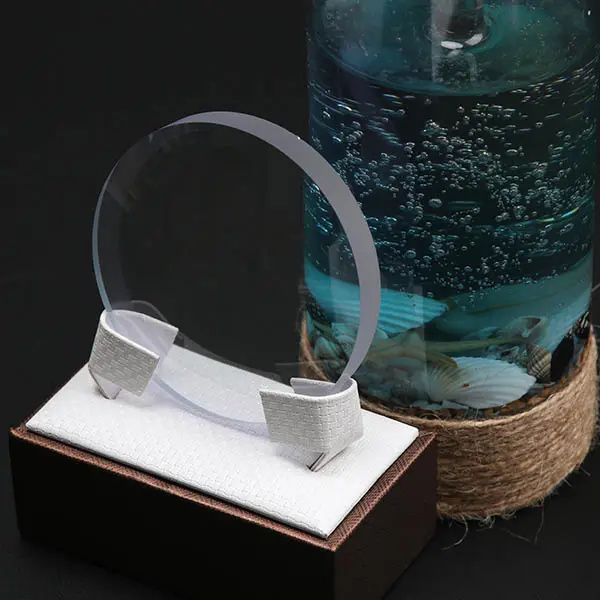
Source :Zhenjiang Kingway Optical Co., Ltd.
This article was originally published by IssueWire. Read the original article here.
MORE NEWS











RECOMMENDED
YOUR NEWS, OUR NETWORK.
Do you have Great News you want to tell the world?
Be it updates about your business or your community, you can make sure that it’s heard by submitting your story to our network reaching hundreds of news sites across 6 verticals.