How Lesun Screw Helps Customers Optimize the Total Cost of Ownership of Replacement Parts for Twin-Screw Extruders
Nov 13, 2026
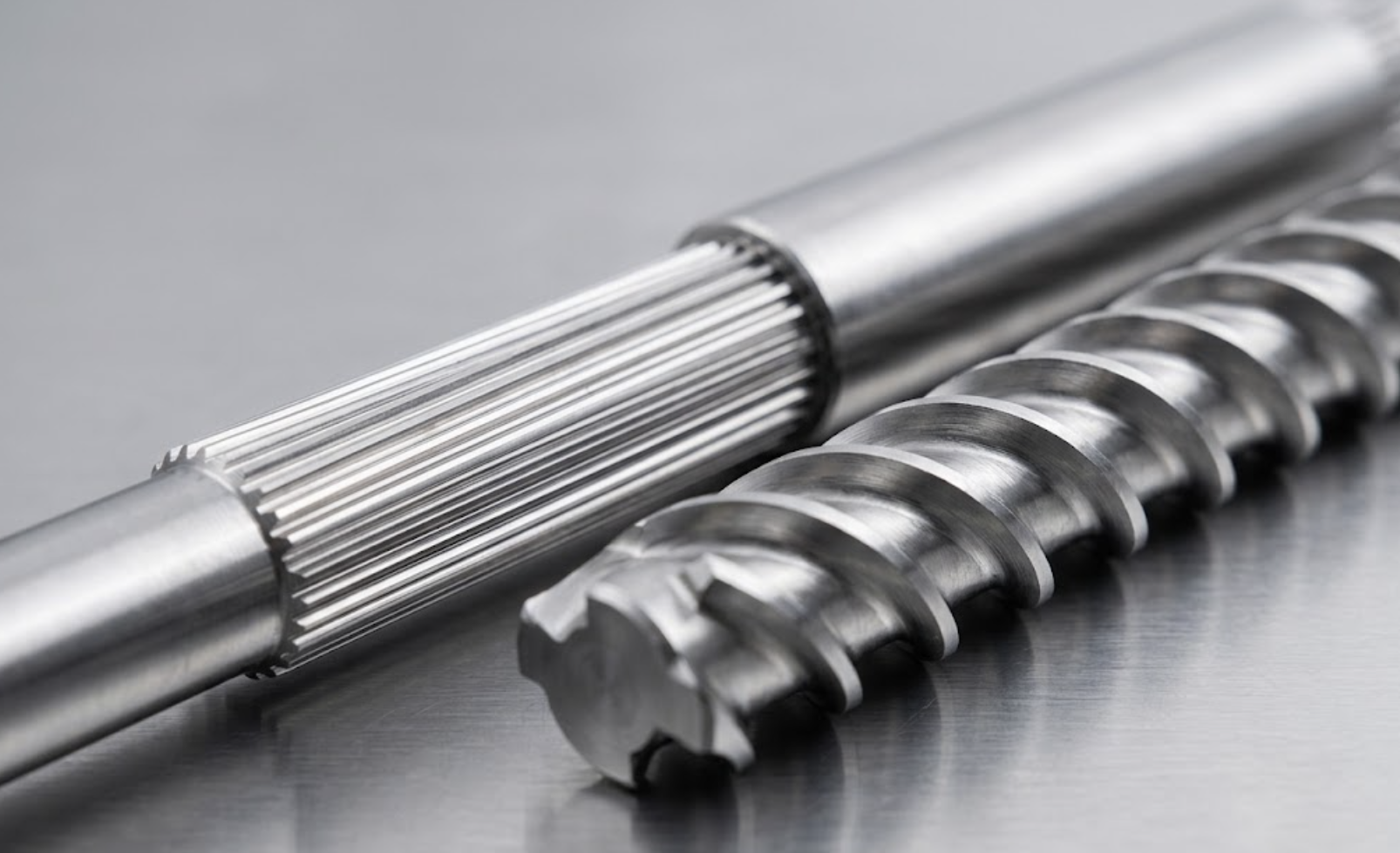
Nanjing, Jiangsu Nov 12, 2026 (Issuewire.com) - How Lesun Screw Helps Customers Optimize the Total Cost of Ownership of Replacement Parts for Twin-Screw Extruders Polymer compounding plants operate under severe technical demands daily. Highly filled compounds containing abrasive mineral powders like calcium carbonate, talc, or glass fibers create significant mechanical friction within co-rotating twin-screw machinery. Procurement teams often focus heavily on the initial purchase price when evaluating critical spare parts. However, experienced plant operations managers recognize that direct acquisition costs represent only a fraction of total operating expenses. Sourcing high-quality Replacement Parts for Twin-Screw Extruders (https://www.lesunscrew.com/products/specialty-parts/)Replacement Parts for Twin-Screw Extruders requires a strategic shift from simple purchase price negotiations to a comprehensive lifecycle cost evaluation. When plants encounter unexpected component failure or extended OEM fulfillment timelines, the secondary losses far exceed the original purchase price of the spare parts. Consequently, modern extrusion facilities adopt Total Cost of Ownership models to protect profit margins and maintain operational continuity. This analytical approach evaluates every financial variable from initial procurement to long-term wear performance. The Twin-Screw Component TCO Framework: Unpacking the Hidden Cost Drivers A complete financial evaluation of extrusion wear components requires a structured mathematical perspective. Total Cost of Ownership equals Acquisition Cost plus Downtime Cost plus Inventory Holding Cost plus Lifecycle Wear Cost. When breakdown occurs, acquisition cost represents less than twenty percent of cumulative operational expenses. First, acquisition cost encompasses unit pricing, shipping fees, and initial import duties. Although lower upfront price tags appear attractive initially, cheap components often utilize inferior tool steel alloys that accelerate wear rates. Second, downtime cost represents the most punitive expense factor in continuous polymer manufacturing. An idle compounding line generates massive revenue losses through wasted labor, lost throughput, and missed delivery schedules. Third, inventory holding cost ties up vital working capital when plants stock excessive safety reserves. Maintenance teams frequently hoard extra components to protect against sixteen-week OEM delivery cycles. Finally, lifecycle wear cost measures operational performance losses over time. As screw element outer diameters erode and screw-to-barrel clearances widen, melt backflow increases dramatically. This clearance expansion decreases volumetric throughput efficiency, raises process melt temperatures, and increases electrical energy consumption per processed metric ton. OEM vs. Qualified Alternative Supplier: A Strategic Decision Matrix for Plant Managers Plant directors constantly face complex sourcing choices between original equipment manufacturers and specialized alternative partners. Original equipment manufacturers offer established brand recognition and original production drawings. Retaining OEM sourcing makes practical sense during active machinery warranty periods or during initial plant commissioning. However, processing facilities face severe vulnerabilities when relying exclusively on single-source suppliers for routine replacement components. Concentrated OEM supply chains often lead to extended fulfillment cycles lasting sixteen to twenty weeks. Furthermore, premium pricing structures artificially inflate ongoing maintenance budgets. In contrast, transitioning routine wear component procurement to a verified second-source manufacturer builds supply chain resilience. Facilities gain significant flexibility by auditing specialized engineering partners capable of delivering drop-in replacement components. A qualified second-source vendor provides full dimensional interchangeability, equal or superior metallurgical properties, and accelerated delivery schedules. This dual-sourcing strategy protects compounding lines against unexpected supply disruptions while reducing overall capital expenditure by thirty percent or more. To achieve these operational benefits, technical teams must verify three core supplier capabilities: precise reverse-engineering systems, certified material sourcing, and comprehensive non-destructive testing protocols. Precision Machining and Material Selection: How Metallurgy Impacts Long-Term TCO The physical durability of modular screw elements, barrels, and shafts directly dictates component replacement frequency. Advanced compounding operations processing corrosive flame retardants or heavy abrasive mineral loads require high-performance alloy selection. Standard tool steel alloys often suffer from rapid erosive wear under intense mechanical shear stress. Modern component specialists utilize powder metallurgy materials produced through Hot Isostatic Pressing technology alongside bimetallic barrel liners. Vacuum heat treatment procedures yield consistent volumetric surface hardness between HRC 58 and HRC 64 while maintaining core toughness to absorb sudden torque spikes. Precision engineering plays an equally critical role in minimizing lifecycle wear costs. Drive shaft manufacturing exemplifies this technical requirement. Traditional shaft manufacturing relies on conventional milling processes, which cut through metal grain structures and create stress concentration points. Conversely, specialized engineering manufacturers like Lesun Screw (https://www.lesunscrew.com/company-profile.html) (Nanjing Lesun Screw Co.,Ltd.) utilize advanced cold-forming technologies for high-torque involute spline shafts. Cold-forming maintains continuous grain flow along spline tooth profiles, significantly increasing fatigue resistance and torque capacity. In addition, three-dimensional optical scanning and blue-light measurement technology ensure exact element flight geometry and tight shaft-spline tolerances. Precise dimensional fitment prevents angular backlash, reduces vibration, and eliminates premature mechanical degradation across connected processing sections. Operational Best Practices: Inventory Optimization and Lead Time Compression Optimizing total ownership costs requires disciplined inventory management alongside technical upgrades to the replacement parts themselves. Maintenance engineering departments often struggle with warehouse complexity across multi-brand extrusion assets. Implementing structured ABC inventory analysis provides an effective solution. Category A inventory isolates high-wear zone components, such as kneading blocks and reverse conveying elements positioned downstream of side feeders. These high-consumption elements require close inventory monitoring and quantitative safety stock calculation. Conversely, Category B and C items include standard conveying elements and pitch transition components that experience minimal abrasive wear. Furthermore, establishing rapid replenishment mechanisms with responsive component specialists reduces required safety stock levels. When procurement teams maintain precise CAD drawings and parts databases with established vendors, reordering becomes seamless. Instead of tying up working capital in static warehouse stock, processing facilities rely on agile manufacturing channels. This collaborative approach compresses delivery turnaround times from several months to four or five weeks. Consequently, plants reduce warehouse holding expenses while maintaining complete operational readiness for unexpected maintenance requirements. Empirical Validation: How Nanjing Lesun Screw Co., Ltd. Delivers TCO Reductions Practical manufacturing field data validates the economic advantages of structured TCO management. Global compounding facilities operating continuous multi-brand extrusion lines require verified engineering capabilities rather than unproven cost claims. As a dedicated extrusion component specialist operating a 10,000 square meter smart manufacturing plant, Lesun Screw provides comprehensive spare part solutions compatible with more than thirty global extruder brands. The company maintains raw material inventories covering premium tool steels, stainless alloys, and powder metallurgy materials to support immediate customer requirements. In a recent verified alternative supplier operational study (https://www.lesunscrew.com/case-study-how-lesun-screw-became-a-qualified-alternative-supplier-of-twin-screw-extruder-components-for-global-customers.html), a prominent European compounding facility successfully transitioned component sourcing away from prolonged OEM fulfillment channels. The technical evaluation verified exact mechanical interchangeability and superior wear durability under continuous high-shear processing conditions. By utilizing advanced dimensional inspection systems and agile production schedules, component delivery timelines dropped from twenty weeks to 4-6 weeks. As a result, the facility achieved a thirty-five percent reduction in overall operating expenditure while eliminating unplanned line shutdown risks. Conclusion: Securing Supply Chain Resilience through Total Cost Optimization Ultimately, optimizing total cost of ownership transforms component procurement from a routine expense into a competitive operational advantage. Polymer compounding facilities cannot afford extended machine downtime or excessive working capital stagnation. By looking beyond initial purchase prices and adopting quantitative lifecycle metrics, plant managers protect continuous production yield. Partnering with specialized engineering manufacturers provides compounding plants with rapid delivery schedules, customized metallurgical upgrades, and proven supply chain stability. To learn more about twin-screw extruder components, custom engineering capability, and total cost optimization solutions, please visit https://www.lesunscrew.com/ (https://www.lesunscrew.com/?utm_source=gemini).
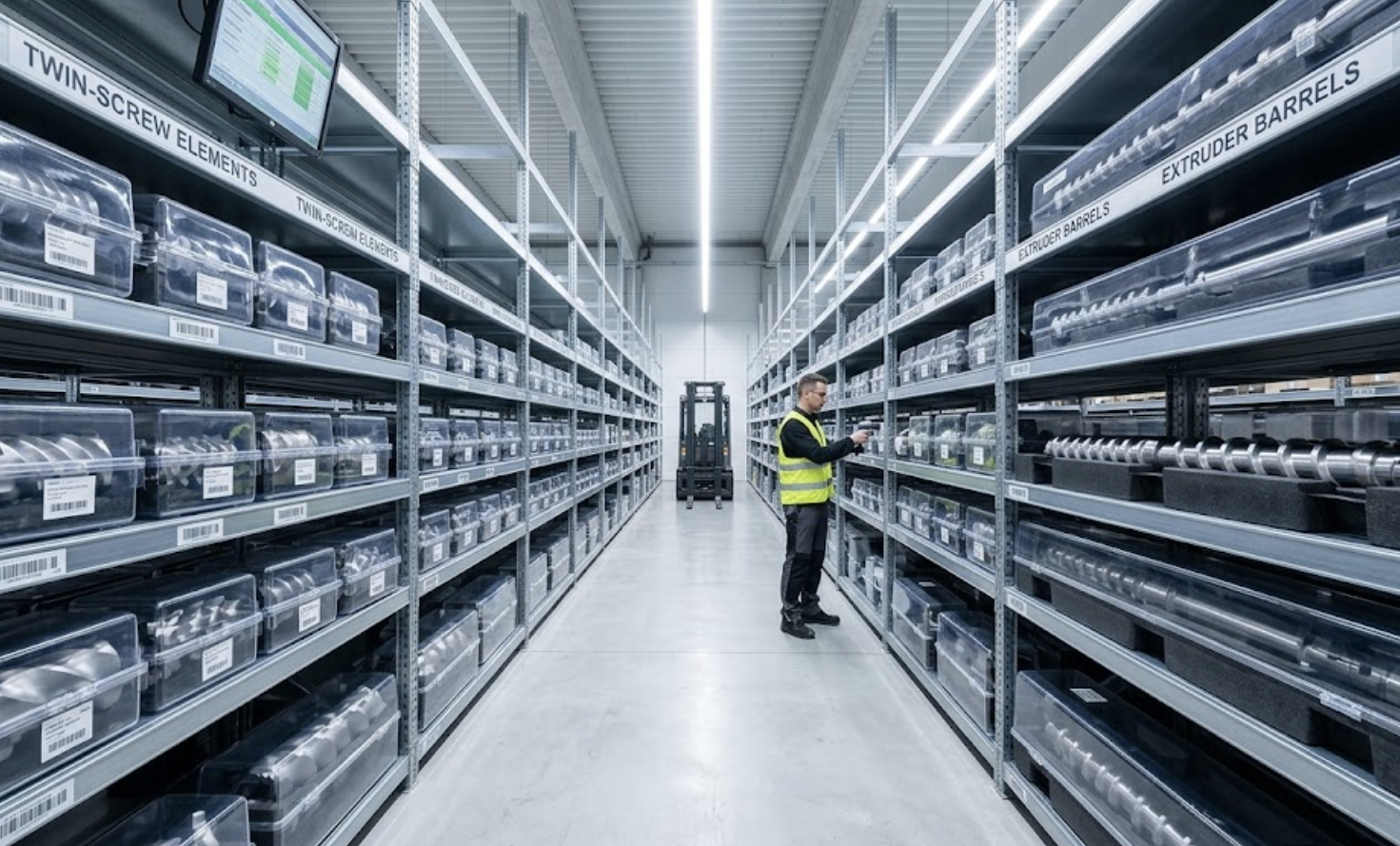
Source :Lesun Screw
This article was originally published by IssueWire. Read the original article here.
MORE NEWS





RECOMMENDED
YOUR NEWS, OUR NETWORK.
Do you have Great News you want to tell the world?
Be it updates about your business or your community, you can make sure that it’s heard by submitting your story to our network reaching hundreds of news sites across 6 verticals.